Author Archives: Ayesha Haq

Unknown's avatar

About Ayesha Haq

A versatile chef ...

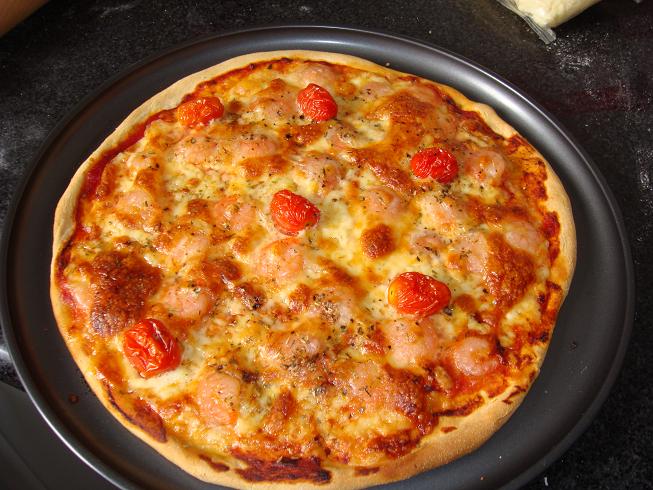
Prawn Pizza

Prawn Pizza is gorgeous Isn’t it ???

Ingredients:

  • 1 thin pizza base/ dough maker’s pizza base
  • 10 – 20 cooked peeled prawns*
  • 4 tbspns pizza sauce
  • 1 tspn oregano
  • ¼ tspn Fresh cracked black pepper
  • 6 – 8 cherry tomatoes
  • ½ cup tasty cheddar cheese
  • ½ cup mozzarella
  • 2 tbspns olive oil

Procedure:

-Preheat oven to 200 degrees Celsius.

-Prepare a pizza base, apple olive oil, pizza sauce and cheese.

-Place prawns and cherry tomatoes and top them with some black pepper and oregano.

-Bake For 20 minutes in a preheated oven on 200 degrees Celsius.

-Slice and serve.

Outcome:

Lovely prawn pizza with tangy cherry tomatoes is ready to serve.

Ayesha's Kitchen

Ayesha's Kitchen

Tips:

-Take small size cherry tomatoes.

-See “Tips” page For more details of pizza base.

Servings:

This will serve 4 persons easily.


*Refer to “Glossary” page.

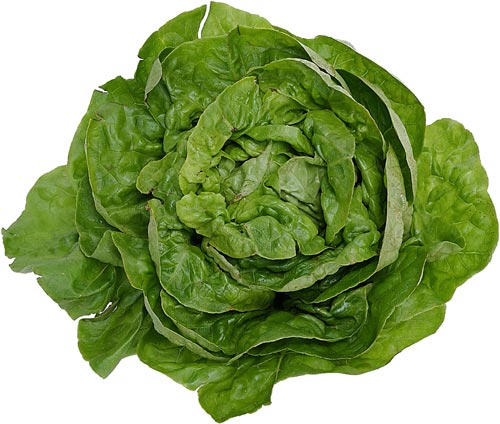
Vegetable Of The Week LETTUCE

lettuce3

Lettuce (Lactuca sativa) is a temperate annual or biennial plant of the daisy family Asteraceae. It is most often grown as a leaf vegetable. In many countries, it is typically eaten cold, raw, in salads, sandwiches, hamburgers, tacos, and in many other dishes. In some places, including China, lettuce is typically eaten cooked and use of the stem is as important as use of the leaf. Both the English name and the Latin name of the genus are ultimately derived from lac, the Latin word for “milk”, referring to the plant’s milky juice. Mild in flavour, it has been described over the centuries as a cooling counterbalance to other ingredients in a salad.

Description

The lettuce plant has a short stem initially (a rosette growth habit), but when it gradually blooms, the stem and branches lengthens; and produces many flower heads that look like those of dandelions, but smaller. This is referred to as bolting. When grown to eat, lettuce is harvested before it bolts. Lettuce is used as a food plant by the larvae of some Lepidoptera.

Nutrition

Lettuce is a fat free, low calorie food and is good for a well balanced diet. It is a valuable source of vitamin A and folic acid. Lactucarium (or “Lettuce Opium”) is a mild opiate-like substance that is contained in all types of lettuce. Both the Romans and Egyptians took advantage of this property eating lettuce at the end of a meal to induce sleep.

Recipes:

Here are some of the recipes given below which contains lettuce:

Chicken Fillet Burger

Zinger Burger

Fruit Of The Week PASSION FRUIT

Ayesha's Kitchen

Ayesha's Kitchen

Passiflora edulis or passion fruit is a plant cultivated commercially in frost-free areas for its fruit. It is native to South America and widely grown in India, New Zealand, the Caribbean, Brazil, Colombia, Ecuador, Indonesia,Peru, California, Florida, Hawaii, Australia, East Africa, Israel and South Africa. The passion fruit is round to oval, yellow or dark purple at maturity, with a soft to firm, juicy interior filled with numerous seeds. The fruit can be grown to eat or for its juice, which is often added to other fruit juices to enhance aroma.

The two types of passion fruit have clearly differing exterior appearances. The bright yellow variety of passion fruit, which is also known as the Golden Passionfruit, can grow up to the size of a grapefruit, has a smooth, glossy, light and airy rind, and has been used as a rootstock for the purple passion fruit in Australia. The dark purple passion fruit is smaller than a lemon.

The purple varieties of the fruit reportedly have traces of cyanogenic glycosides in the skin, and hence are mildly poisonous. However, the thick, hard skin is hardly edible.

These forms of Passiflora edulis have been found to be different species. They occur in different climate regions in nature and bloom at different times of day. The purple fruited species is self fertile and the yellow fruited species, despite claims to the contrary, is self sterile. It requires two clones for pollination.

Uses
-In Australia, it is available commercially fresh and canned. In addition to being added to fruit salads, passion fruit is commonly used in desserts, such as the topping for the pavlova (a meringue cake), cheesecake, and vanilla slice.

-In Peru passion fruit is used in several desserts, specially cheesecakes. It is also drunk alone as passion fruit juice and used in ceviche variations and in cocktails including the passion fruit sour, a variation of the pisco sour

-In the Dominican Republic, it is used to make juice and jams. Passion fruit-flavoured syrup is used on shaved ice, and the fruit is also eaten raw sprinkled with sugar.

-In Puerto Rico, it is widely believed to lower blood pressure. This is probably because it contains harmala alkaloids and is a mild RIMA. Passion fruit juice is also very common.

-In the Philippines, passion fruit is commonly sold in public markets and in public schools. Some vendors sell the fruit with a straw on it to suck the seeds and juices inside. It is not so popular because of its sour flavor, and the fruit is very seasonal.

-In Brazil, passion fruit mousse is a common dessert, and passion fruit seeds are routinely used to decorate the tops of certain cakes. Passion fruit juice is also very common.

-In Mexico, passion fruit is used to make juice or eaten raw with chili powder and lime.

-In Indonesia it is eaten straight as a fruit. It is also common to strain the passion fruit for its juice and cook it with sugar to make thick syrup. Bottles or plastic jugs of concentrated syrup (generally produced in Sumatra from fruit grown in the Lake Toba region) are sold in many supermarkets. Dilution of 1 part syrup to 4 (or more) parts water is recommended.

-In Hawaii, the varieties are called yellow liliko’i and purple liliko’i and the fruit is normally eaten raw. Hawaiians usually crack the rind of the passion fruit either with their hands or teeth and suck out the flavorful pulp and seeds. Passion fruit can also be cut in half and the pulp can easily be scooped out with a spoon. Passion fruit-flavored syrup is a popular topping for shave ice. Ice cream and mochi are also flavored with passion fruit, as well as many other desserts such as cookies, cakes, and ice cream. Passion fruit is also favored as a jam or jelly, as well as butter. Passion fruit is not widely available in stores, so most of the fruit comes from backyard gardens or wild groves. It can be found, however, in farmers’ markets throughout the islands.

-In South Africa, passion fruit is used to flavor yogurt. It is also used to flavour soft drinks such as Schweppes Sparkling Granadilla and numerous cordial drinks. It is often eaten raw, or used as a topping for cakes and tarts. Granadilla juice is commonly available in restaurants.

Nutrition

Fresh passion fruit is high in vitamin A, potassium, and dietary fiber. Passion fruit juice is a good source of ascorbic acid (vitamin C). The yellow variety is used for juice processing, while the purple variety is sold in fresh fruit markets.

Recipes:

Passion Fruit is used in various recipes Few of them will be updated soon:

Fruit Of The Week CUSTARD APPLE

Ayesha's Kitchen

Ayesha's Kitchen

The custard-apple, also called bullock’s heart or bull’s heart, is the fruit of the tree Annona reticulata. This tree is a small deciduous or semi-evergreen tree sometimes reaching 10 metres (33 ft) tall and a native of the tropical New World that prefers low elevations, and a warm, humid climate. It also occurs as feral populations in many parts of the world including Southeast Asia, Taiwan, India, Australia, and Africa.

The fruits are variable in shape, heart shaped, oblong or irregular. The size ranges from 7 centimetres (2.8 in) to 12 centimetres (4.7 in). When ripe, the fruit is brown or yellowish, with red highlights and a varying degree of reticulation, depending on variety. The flavor is sweet and pleasant.

In some regions of the world, “custard-apple” is another name for sugar-apple or sweetsop (Annona squamosa), a different plant in the same genus. In Britain, “custard-apple” refers to cherimoya, the fruit of Annona cherimola, a third plant in the same genus.

Uses

Food

The fruit is good to eat as is but also makes a sweet drink and can be used as a milk substitute.

Medicinal

The unripe fruit has been used to assist against diarrhea and dysentery. The tree bark is used for skin and mucosae medicines and the seed bark contains useful tannins and astringents. The leaves are believed to have healing properties and have been used against tumors and cancers. The bark has been used on gums to relieve toothaches.

Other

The leaves also provide ingredients used to make dyes, stains, inks, tattoos and mordants. The whole plant is a source of hydrogen cyanide.

Fatty-acid methyl ester of the seed oil meets all of the major biodiesel requirements in the USA (ASTM D 6751-02, ASTM PS 121-99), Germany (DIN V 51606) and European Union (EN 14214).

Cultivars

Tikal

is of excellent quality and medium yield; its flesh is bright-red, except in the white areas surrounding the seeds.

Canul

has a medium fruit with a waxy, shiny dark-red surface and purplish red flesh; it is very aromatic and deliciously sweet with few concretions of hard cells.

Sartenaya

has a medium fruit with a waxy, shiny red surface and pink flesh with a magnificent taste and texture. Although the fruit is not as attractive in appearance as that of the previous two cultivars. the tree is sturdier.

San Pablo

has a long, large fruit with an opaque, light-red surface. The flesh is dark-pink with a good aroma and taste. It is a vigorous, productive cultivar.

Benque

has a big conical fruit with a dark-red surface and very tasty dark-pink flesh.

Caledonia

has a small fruit with a dark surface: it is very attractive to cochineal insects (Philophaedra sp.), which are not very common in other varieties. The flesh is pink and has an excellent taste.

Chonox

has a medium fruit with a red skin and juicy. very tasty pink flesh; it is very productive and, for this reason, often has low-quality fruit. It produces abundant flowers in groups of up to 16.

Recipes:

Lets see, I will update them soon.

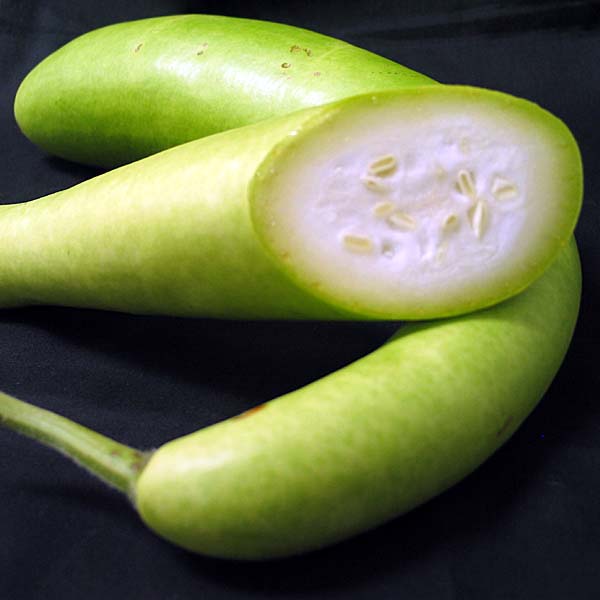
Vegetable Of The Week WINTER MELON / BOTTLE GOURD

Ayesha's Kitchen

Ayesha's Kitchen

The winter melon, also called white gourd or ash gourd, is a vine grown for its very large fruit, eaten as a vegetable. The fruit is fuzzy when young. By maturity, the fruit loses its hairs and develops a waxy coating, giving rise to the name wax gourd, and providing a long shelf life. The melon may grow as large as 1-2 metres in length. The word “melon” in the name is somewhat misleading, as the fruit is not sweet. Originally cultivated in Southeast Asia, the winter melon is now widely grown in East Asia and South Asia as well.

Winter melon is also a common name for members of the Inodorus cultivar group of the muskmelon (Cucumis melo L), more commonly known as casaba or honeydew melons.

Uses

In North India and Pakistan, the vegetable is used to prepare a candy called Petha. In South Indian cuisine it is used to make curries. Occasionally, it is used to produce a fruit drink which has a very distinctive taste. It is usually sweetened with caramelized sugar, which enhances the taste.

 The winter melon requires very warm weather to grow but can be kept through the winter much like winter squash. The winter melon can typically be stored for 12 months. The melons are used in stir fry or to make winter melon soup, which is often served in the scooped out melon, which has been intricately decorated by scraping off the waxy coating.

The shoots, tendrils, and leaves of the plant may also be eaten as greens.

Winter melon is a common name for the inodorus cultivar group of the muskmelon (Cucumis melo L), or one of its members alternatively known as casaba, honeydew, or Persian.

Vernacular Names

Assamese: komora

Bengali: চাল কুমড়া chal kumṛa (lit. “thatch pumpkin”)

Burmese: kyauk pha-yon thee

Chinese: 冬瓜 dōngguā (lit. “winter melon”)

English: ash gourd, (Chinese) winter melon, fuzzy melon, green pumpkin, wax gourd, white gourd

French: courge cireuse, courgette velue (lit. “hairy zucchini”)

Hindi: पेठा peṭhā, pethakaddu

Indonesian: beligo

Japanese: とうがん tōgan (冬瓜, lit. “winter melon”)

Kannada: boodagumbala

Korean: 동과 donggwa, 동아 donga (冬瓜, lit. “winter melon”)

Malay: kundur

Malayalam: കുമ്പളങ്ങ kumbalanga

Marathi: कोहळा kohḷa

Portuguese: abóbora d’água (lit. “water pumpkin”), comalenge

Sinhala:පුහුල් Puhul

Taiwanese: dangguev (冬瓜, lit. “winter melon”)

Tamil: neer poosanikai (நீர்பூசனி)

Tagalog: kundol

Telugu: booḍida gummadikaaya

Thai: ฟัก fak

Tulu: ಕರ್ಕು೦ಬುಡ karkumbuda

Urdu: پیٹھہ, peṭhā

Vietnamese: bí đao

Recipes:

There are some of the recipes For this vegetable in Ayesha’s Kitchen as listed below:

Kaddu(Pumkin) (My Grandma’s Secret Recipe) Loki Kii Sabzi

Fruit Of The Week PEACH

peach

The peach (Prunus persica) is known as a species of Prunus native to China that bears an edible juicy fruit also called a peach. It is a deciduous tree growing to 5–10 m tall, belonging to the subfamily Prunoideae of the family Rosaceae. It is classified with the almond in the subgenus Amygdalus within the genus Prunus, distinguished from the other subgenera by the corrugated seed shell.

The leaves are lanceolate, 7–15 cm long (3–6 in), 2–3 cm broad, pinnately veined. The flowers are produced in early spring before the leaves; they are solitary or paired, 2.5–3 cm diameter, pink, with five petals. The fruit has yellow or whitish flesh, a delicate aroma, and a skin that is either velvety (peaches) or smooth (nectarines) in different cultivars. The flesh is very delicate and easily bruised in some cultivars, but is fairly firm in some commercial varieties, especially when green. The single, large seed is red-brown, oval shaped, approximately 1.3–2 cm long, and is surrounded by a wood-like husk. Peaches, along with cherries, plums and apricots, are stone fruits (drupes). The tree is small, and up to 15 ft tall.

The scientific name persica, along with the word “peach” itself and its cognates in many European languages, derives from an early European belief that peaches were native to Persia (now Iran). The modern botanical consensus is that they originate in China, and were introduced to Persia and the Mediterranean region along the Silk Road before Christian times. Cultivated peaches are divided into clingstones and freestones, depending on whether the flesh sticks to the stone or not; both can have either white or yellow flesh. Peaches with white flesh typically are very sweet with little acidity, while yellow-fleshed peaches typically have an acidic tang coupled with sweetness, though this also varies greatly. Both colours often have some red on their skin. Low-acid white-fleshed peaches are the most popular kinds in China, Japan, and neighbouring Asian countries, while Europeans and North Americans have historically favoured the acidic, yellow-fleshed kinds.

Peaches In Asian Tradition

Peaches are known in China, Japan, Korea, Laos, and Vietnam not only as a popular fruit but for the many folktales and traditions associated with it. Momotaro, one of Japan’s most noble and semi-historical heroes, was born from within an enormous peach floating down a stream. Momotaro or “Peach Boy” went on to fight evil oni and face many adventures. Peach flowers are admired by the Japanese but not as much as the sakura (cherry).

In China, the peach was said to be consumed by the immortals due to its mystic virtue of conferring longevity on all who ate them. The divinity Yu Huang, also called the Jade Emperor, and his mother called Xi Wangmu also known as Queen Mother of the West, ensured the gods’ everlasting existence by feeding them the peaches of immortality. The immortals residing in the palace of Xi Wangmu were said to celebrate an extravagant banquet called the Pantao Hui or “The Feast of Peaches”. The immortals waited six thousand years before gathering for this magnificent feast; the peach tree put forth leaves once every thousand years and it required another three thousand years for the fruit to ripen. Ivory statues depicting Xi Wangmu’s attendants often held three peaches.

The peach often plays an important part in Chinese tradition and is symbolic of long life. One example is in the peach-gathering story of Zhang Daoling, who many say is the true founder of Taoism. Elder Zhang Guo, one of the Chinese Eight Immortals, is often depicted carrying a Peach of Immortality. The peach blossoms are highly prized in Chinese culture.

It was in an orchard of flowering peach trees that Liu Bei, Guan Yu, and Zhang Fei took an oath of brotherhood in the opening chapter of the classic Chinese novel Romance of the Three Kingdoms.

Due to its delicious taste and soft texture, in ancient China “peach” was also a slang word for “young bride”, and it has remained in many cultures as a way to define young women or a general state of goodness (as in English, with peach or peachy keen).

A Vietnamese mythic history states that, in the spring of the year 1789, after marching to Ngọc Hồi and then winning a great victory against invaders from the Qing Dynasty of China, the King Quang Trung ordered a messenger to gallop to Phú Xuân citadel (Huế nowadays) and deliver a flowering peach branch to the Princess Ngọc Hân. This took place on the 5th day of the first lunar month, 2 days before the predicted end of the battle. The branch of peach flowers that was sent from the North to the Center of Vietnam was not only a message of victory from the King to his wife, but also the start of a new spring of peace and happiness for all the Vietnamese people. In addition to that, since the land of Nhật Tân had freely given that very branch of peach flowers to the King, it became the loyal garden of his dynasty.

A peach tree is also the context in which Kim Trọng and Thuý Kiều fell in love in The Tale of Kieu. And in Vietnam, the blossoming peach flower is the signal of spring. Finally, peach bonsai trees are used as decoration during Vietnamese New Year — Tết in Northern Vietnam.

Nutrition And Health

A medium peach (75g), has 30 Cal, 7g of carbohydrate (6g sugars and 1g fiber), 1g of protein, 140mg of potassium, and 8% of the daily value (DV) for vitamin C.

As with many other members of the rose family, peach seeds contain cyanogenetic glycosides, including amygdalin (note the subgenus designation: Amygdalus). These substances are capable of decomposing into a sugar molecule and hydrogen cyanide gas. While peach seeds are not the most toxic within the rose family, that dubious honor going to the bitter almond, large doses of these chemicals from any source are hazardous to human health.

Recipes:

Peach recipe will be soon updated.